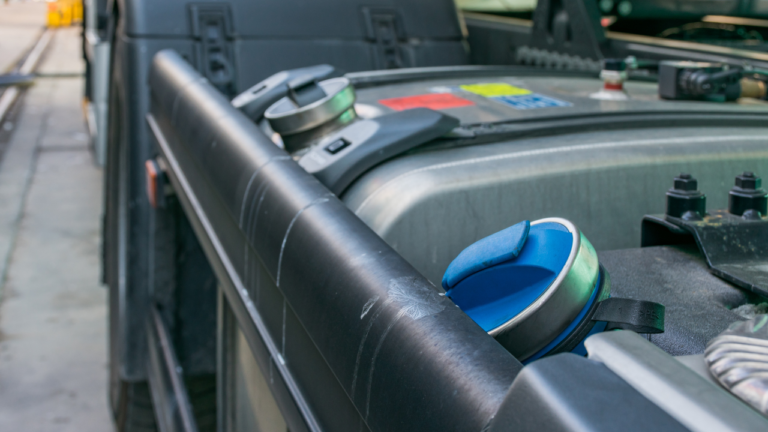
Why AdBlue® (DEF) Crystallises in Exhaust Systems
Quick takeaways
- AdBlue crystallisation is usually a symptom, not the disease. Fix the underlying dosing, temperature, or contamination issue.
- Most deposits form when DEF droplets don’t fully vaporise/mix in the exhaust, or when water evaporates and leaves urea salts behind.
- Poor‑quality/contaminated DEF and incorrect ECU–SCR calibration are frequent culprits in retrofits.
The chemistry in one minute
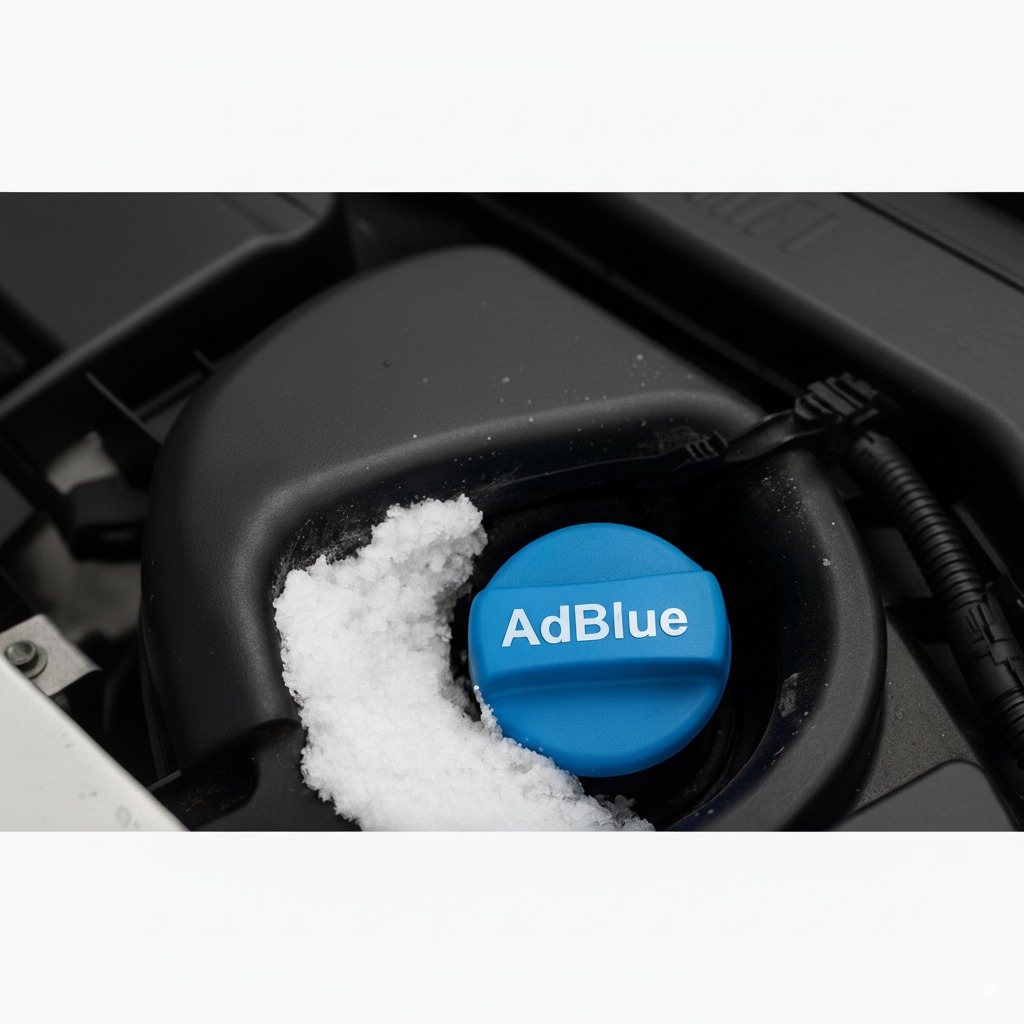
AdBlue® is 32.5% urea in deionised water. In the SCR system it should atomise → vaporise → hydrolyse into ammonia. If droplets hit cool/very hot metal, or the spray is uneven, water boils off and crystal residues (urea/cyanurate/biuret) stick to injectors, mixers and pipe walls.
Common root causes
1) Temperature window problems
- Cold starts & short trips: Exhaust temp stays low; droplets don’t fully vaporise → white crystals downstream of the injector.
- Local hot spots: DEF hits very hot metal, water flashes off, urea bakes into deposits.
- After‑run disabled or cut short: Lines aren’t purged; residual DEF dries and crystallises in the injector/line.
2) Dosing & spray quality faults
- Clogged or worn dosing injector (poor atomisation, cone angle wrong).
- Plugged DEF filter or restrictions in lines → pulsing/under‑atomised spray.
- Air leaks or weak pump pressure → coarse droplets.
3) ECU–SCR mismatch (common on retrofits)
- Wrong dosing maps or no temperature gating → DEF injected when the catalyst is not yet ready.
- Missing software updates/parameter coding after component changes.
4) Sensor and control issues
- Failed/slow NOx sensors or temp sensors → incorrect control of dosing.
- Faulty level/quality sensors mislead operators into topping up with poor fluids.
5) DEF quality & handling
- Not ISO 22241 grade, or contaminated (hardness, metals, dirt, coolant).
- Aged DEF (long exposure to heat/sunlight).
6) Hardware/layout problems
- Poor mixer design or insufficient straight length → incomplete mixing.
- Exhaust leaks upstream of NOx sensor skew readings and dosing.
Symptoms you’ll notice
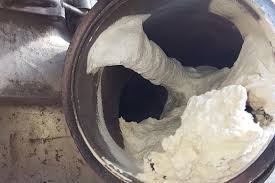
- White, chalky crystals around injector/mixer joints.
- P20xx/P24xx codes, NOx conversion drop, or SCR efficiency warnings.
- Increased fuel use due to derates or regen frequency.
Fast diagnosis checklist
- Read codes (SCR, NOx, temperature, dosing pump). Clear and road‑test.
- Visual: deposits at injector tip/mixer, leaks, kinked lines.
- Quality test: refractometer/ISO test; check for contamination.
- Dosing pattern: spray test or flow test per OEM spec.
- Temperature readiness: confirm dosing only above threshold; verify after‑run purge.
- Calibration: confirm ECU/SCR software level & parameters.
Related reading: How to Prevent AdBlue® Crystallisation | SCR System Guide | AdBlue® FAQ Malaysia
Get Quality AdBlue® to Protect Your SCR System
ISO 22241-certified AceRev AdBlue® — correct 32.5% urea concentration, proper deionised water, and verified purity. Available across Malaysia.
View Packaging Options Find a Supplier Near You